

Moroccan Beldia Vs Hindu Kush Landrace
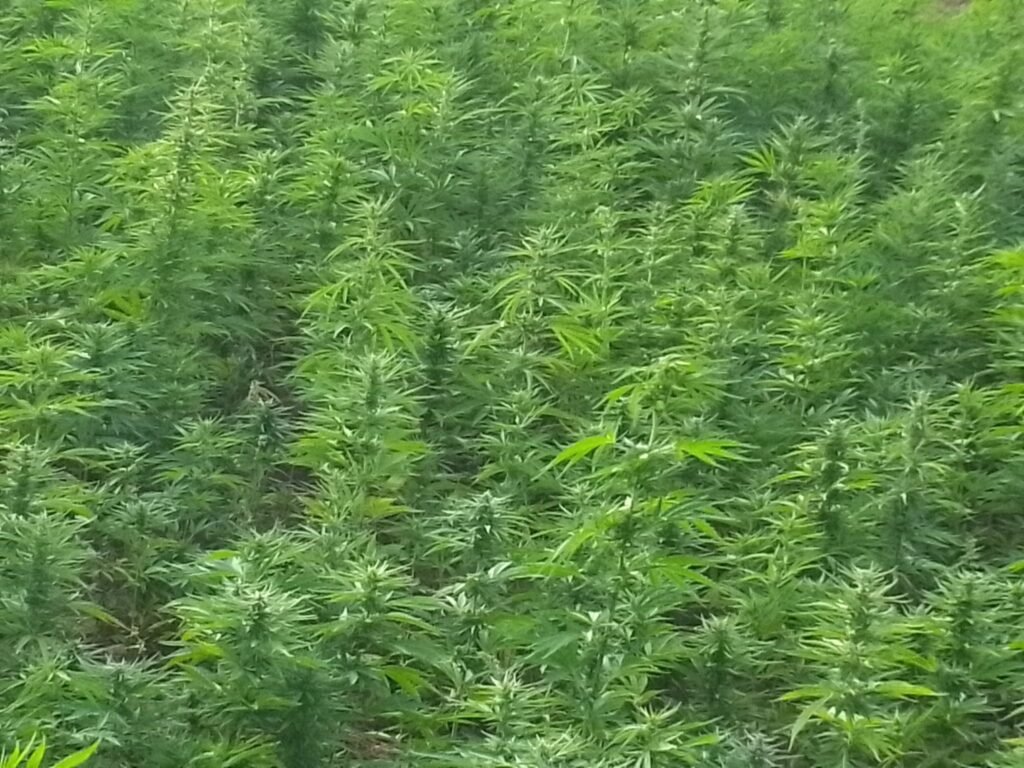
Morocco’s Beldia Hash plant landrace is a fine resin producer from the Northwestern Africa.
The region is considered secondary producer of hash and here are the following reasons.
Morocco is considered a secondary center of hashish production, where South Asian and Central Asian Cannabis indica ssp. indica traits are believed to have blended with European hemp cultivars, introduced during the colonial era.
Prior 90s, EU hemp types could also have higher THC levels than current expectations.
Making sense for the quicker flowering, some of the effects and ratios being quite balanced, not higher cannabinoid percentages as compared to Indica from South and Central Asia.
Data from Hillig (2005) – places the Moroccan population within the indica gene pool, closely related to Afghan and Pakistani drug types, indicating a genetic importation from South or Central Asia.
There is no archaeological or historical evidence of pre-Islamic cannabis use in Morocco. The earliest records of use appear after the 7th century CE.
The most important point to conclude for this topic is that there are no native wild Cannabis populations in Morocco, suggesting that cannabis was introduced via trade or migration rather than evolving in situ.
Cannabis Landraces of Hindu Kush
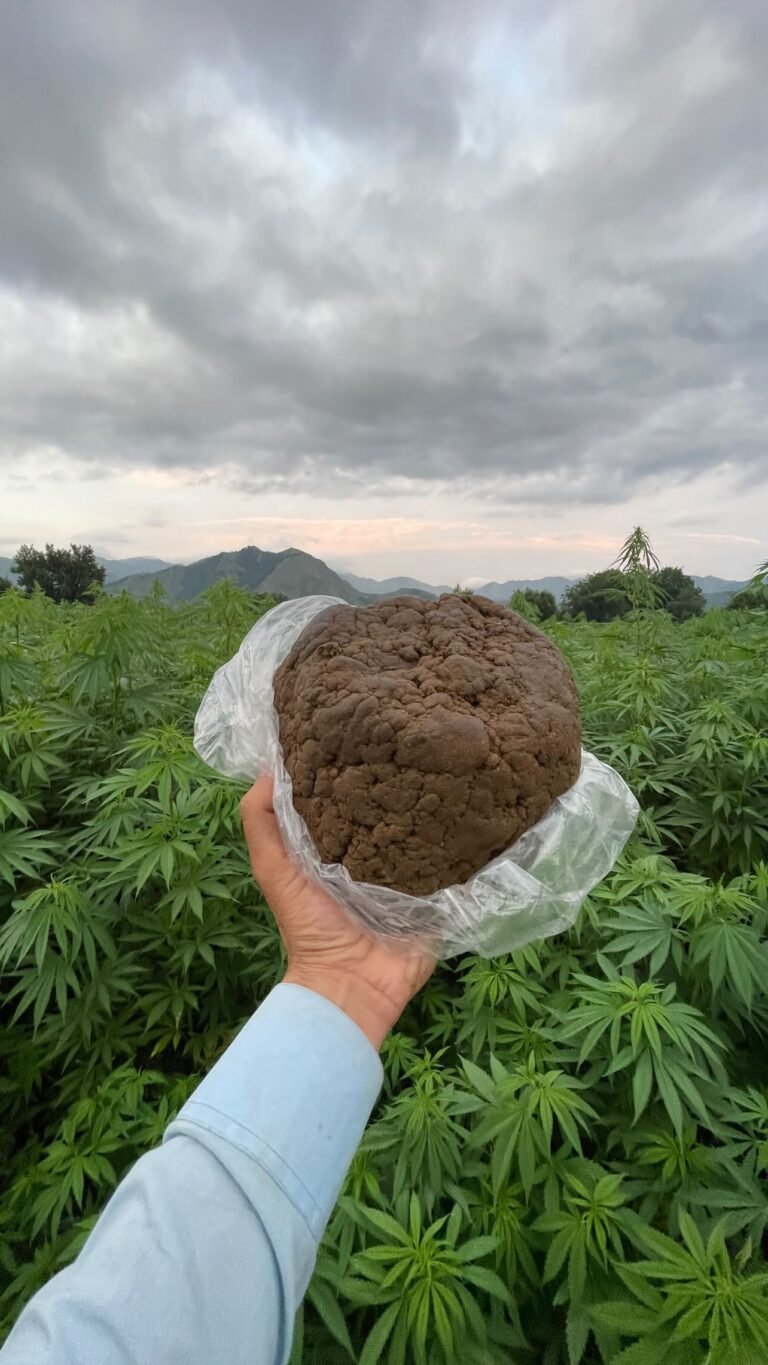
We will mostly discuss Hindu Kush East Afghanistan and North Pakistan in this topic in comparison to Moroccan Beldia Landrace.
Most of these represent Cannabis indica ssp. indica drug-type heirlooms from the Pashtun tribal regions of present-day Pakistan (North) and Afghanistan (East) Safed Koh Mountains.
The eastern Afghan and northern Pakistani regions have a longstanding history of hashish cultivation and trade, predating Arab-Islamic influence.
Watt (1889) – A Dictionary of the Economic Products of India (Vol. 2),
describes Pashtun tribal use of cannabis (charas/resin) in religious rituals, noting its role in pre-Islamic shamanic practices. Links Pashtun hashish traditions to ancient Indo-Iranian.
Vavilov (1929)– noted the presence of wild Cannabis indica in eastern Afghanistan, particularly in the Kunar River region and North Pakistan Chitral river identifying it as a putative ancestor of drug-type Cannabis indica, named Cannabis Indica ssp Kafristanica.
References
- Hillig, K.W. Genetic evidence for speciation in Cannabis (Cannabaceae). Genet Resour Crop Evol 52, 161–180 (2005). https://doi.org/10.1007/s10722-003-4452-y
- Watt, G. (1889-1896). A dictionary of the economic products of India. Calcutta: Supt. of Govt. Print.
- Clarke, R. and Merlin, M. (2016), Cannabis: Evolution and Ethnobotany. University of California Press, Oakland, CA. (for Valilov 1929 content mentioned in this post)